Guides › How much is my book worth?
How much is my book worth? How to value a first edition
Most old books are worth little; a few are worth a great deal, and the difference is rarely the age. What a book is worth comes down to five things: **which printing it is**, **whether it has its dust jacket**, **its condition**, **whether it is signed**, and **what copies like it have actually sold for**. Each is shown below on real copies, with what it does to the price on the first editions BBourse values. Work through them in order: the first one decides whether the others matter.
The five checks
- Printing: is it the first printing, or a later printing, book club edition or reprint?
- Dust jacket: present, original to the book, and not price clipped.
- Condition: the grade, from Fine to Fair, and the flaws that lower it.
- Signature: signed or inscribed by the author, or a bookplate, or a facsimile.
- Sold prices: what copies like yours actually sold for, not what sellers ask.
1. Is it the first printing?
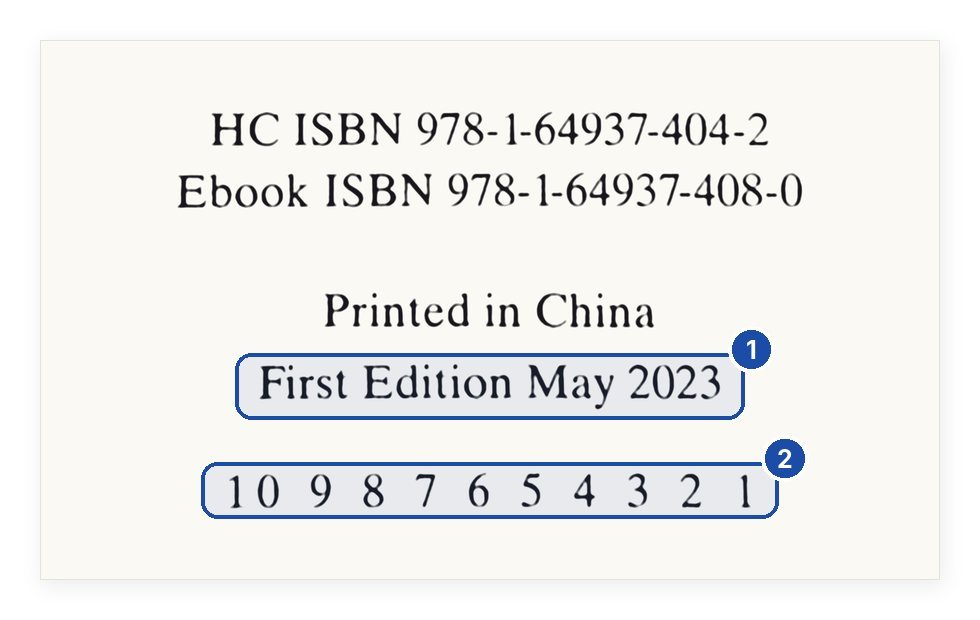
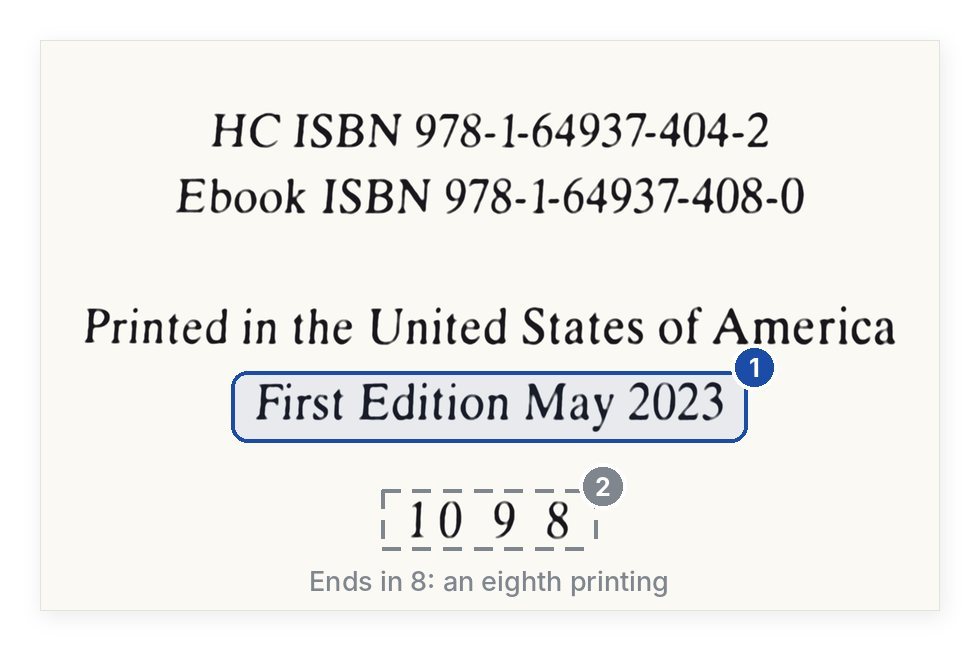
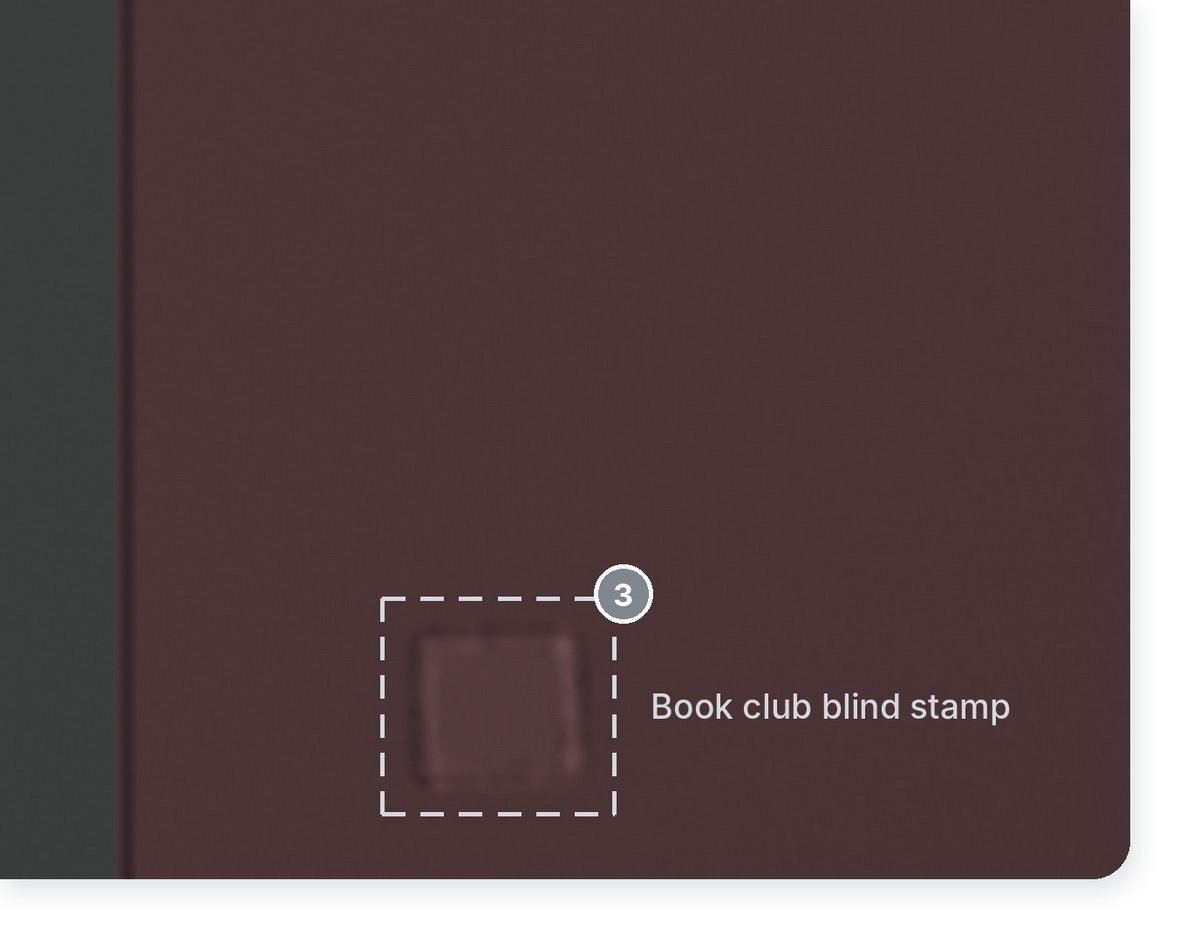
Collectors pay for the first printing of the first edition, the copies from the very first press run. A later printing of the same book, a book club edition or a reprint usually looks almost the same, often still says “First Edition”, and is typically worth a small fraction of the first printing: often a tenth or less. So check the copyright page first. On modern books the number line settles it: if the lowest number is 1, it is the first printing; the Fourth Wing copy on the right, with the line ending in 8, is the eighth. Book club copies have their own tells, like the small square blind stamp on the rear board. Every check is in How to tell if a book is a first edition.
2. Does it have its dust jacket?
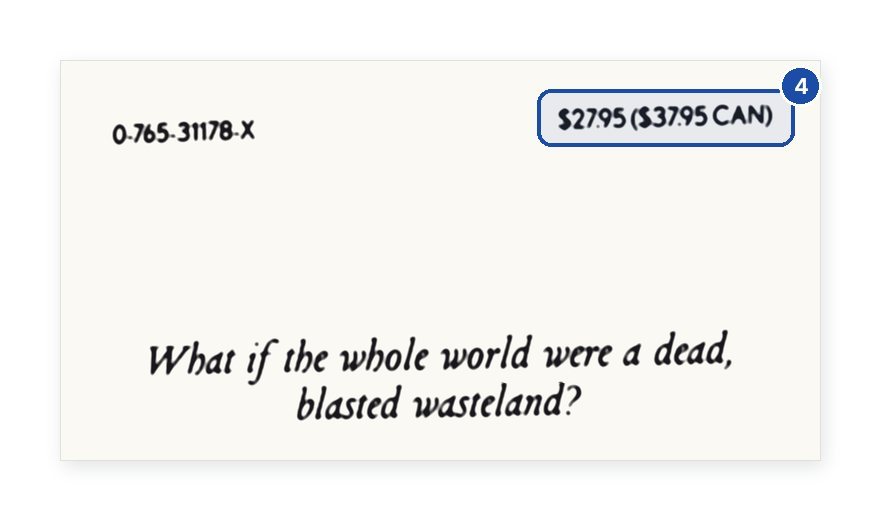
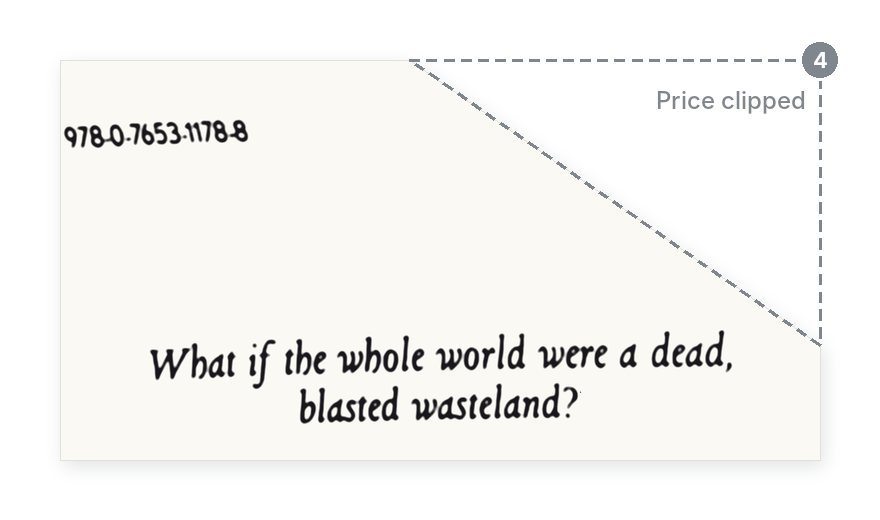
For a book published after about 1920, the dust jacket is a large part of the value, often most of it: the same first printing without its jacket can be worth less than half, and for the most collected modern books far less. The jacket should be the original one from the first printing (later printings and book club editions have their own jackets, with a different or missing price) and not price clipped: a jacket with the top corner of the front flap cut off is worth less than one with the price, and makes the printing harder to prove. Books from before jackets were common are valued on the binding instead.
3. What condition is it in?
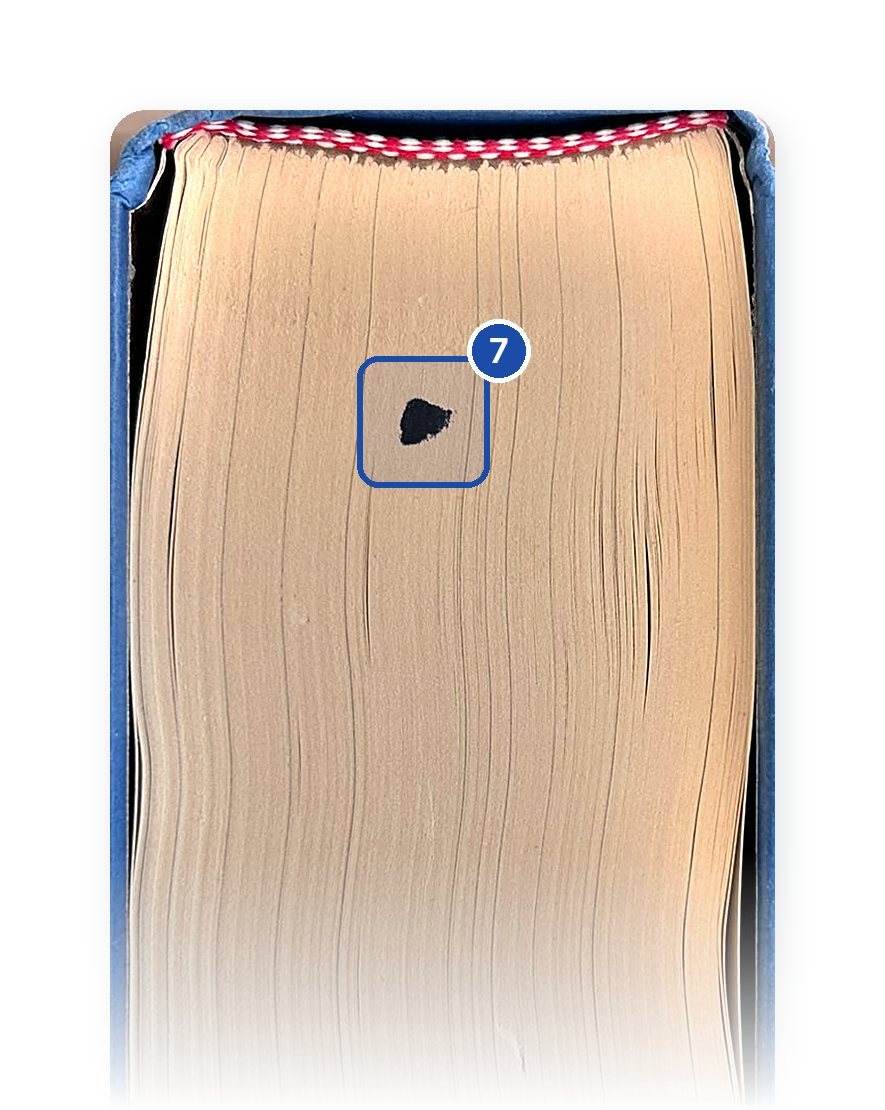
Booksellers grade copies Fine, Near Fine, Very Good, Good or Fair, the book and the jacket separately (“Very Good in a Near Fine jacket”). On the first editions BBourse values, a Fine copy is typically worth about 15% more than a Near Fine one, Very Good about 15% less, Good about 25% less and Fair about 40% less; for the rarest books the gap at the top is wider. Look for what lowers the grade: a remainder mark (a stamp or marker dot on the page edges, from a publisher’s overstock), tears and chips to the jacket, fading on the spine, foxing, stains, a former owner’s name, library stamps. Grade honestly: a buyer will.
4. Is it signed?
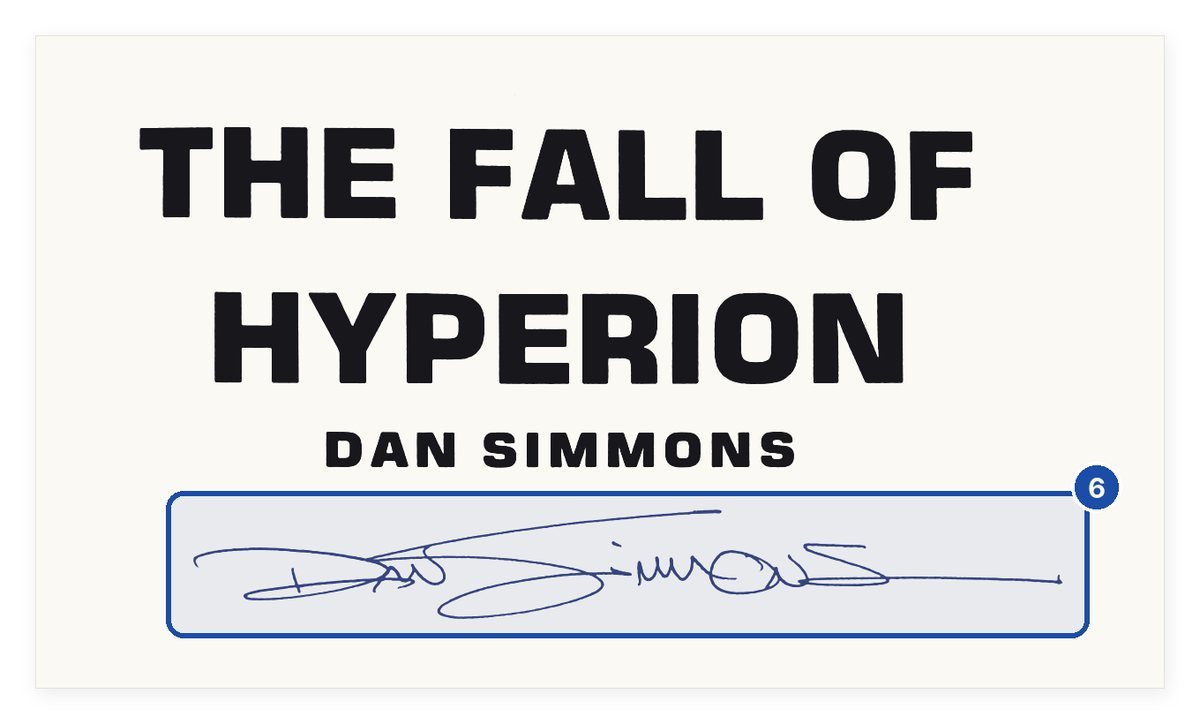
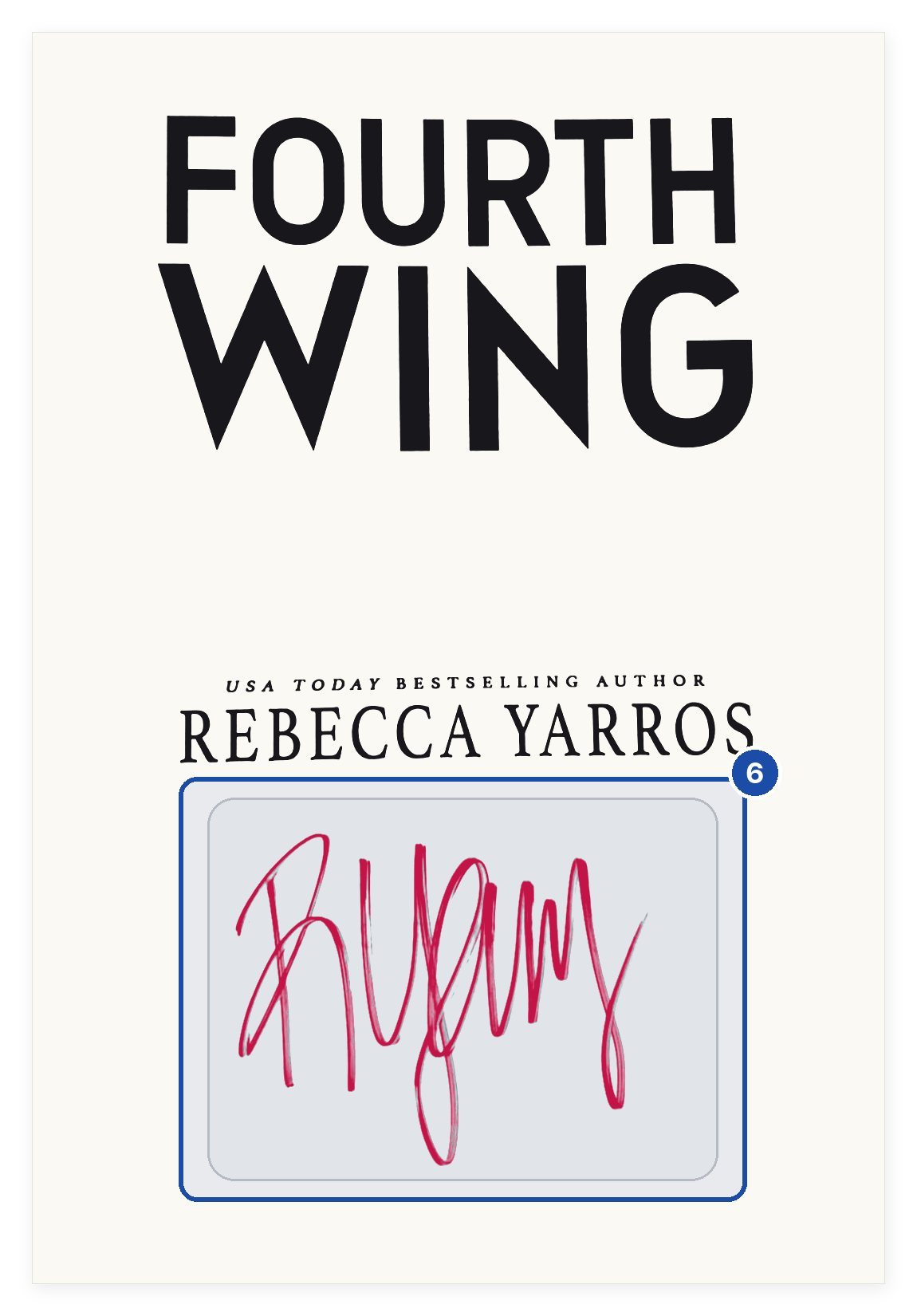
A real signature can be worth more than everything else together. On the first editions BBourse values, a signed copy is typically worth about eight times an unsigned one (often 3 to 20 times, more for authors who rarely signed). An inscription to someone unknown is valued about the same as a plain signature; a signed bookplate (a signed label stuck in later) is worth well below a signature on the page. A facsimile signature, printed or stamped into every copy, adds nothing as an autograph. How to tell them apart: Signed, inscribed, bookplate or facsimile.
5. What have copies like it actually sold for?
A book is worth what buyers pay for it, so the evidence is sold prices, not asking prices. Online listings show what sellers hope for, and the copies that sit unsold for years are the overpriced ones. Compare like with like: the same printing, the same jacket state, a similar grade, signed or not. BBourse does this for you: every edition page shows what a copy is worth by condition, unsigned and signed, from recorded sales across dealers, auctions and marketplaces. Search your book’s title; if we don’t value it yet, auction records and marketplace “sold” filters are the next best source.
Condition grades and what they do to the value
The grades are the booksellers’ standard. The values are typical, the median on the first editions BBourse values, relative to a near fine copy, unsigned.
| Grade | What it means | Typical value vs near fine |
|---|---|---|
| Fine | As new: no defects, the jacket bright and unclipped | About 15% more |
| Near Fine | Close to new, one or two tiny flaws | The reference |
| Very Good | Some wear, small tears or rubbing, nothing missing | About 15% less |
| Good | Average used copy: obvious wear, all pages present | About 25% less |
| Fair | Worn, may have stains, loose pages or a damaged jacket | About 40% less |
A missing or replaced jacket, a book club edition or a later printing usually matters more than any step on this ladder.
Are old books worth anything?
Age alone doesn’t make a book valuable. Millions of old books were printed in large numbers, read and kept, and most sell for a few dollars: old Bibles, encyclopedias, Reader’s Digest condensed books, book club editions and later printings of classics. What makes a book valuable is demand for that exact copy: the first printing of a book people collect, in good condition, ideally in its jacket, best of all signed.
On the books BBourse values, half the first printings are worth more than about $265 in near fine condition unsigned; a quarter are worth less than about $50 and a quarter more than about $1,150. The most valuable are listed, with what a copy is worth, in the most valuable first editions.
How to find out what your book is worth, step by step
- Find the copyright page and work out the printing: how to tell if a book is a first edition.
- Check the jacket: is it there, does the front flap have its price, does the price match the first printing?
- Grade it: book and jacket, from Fine to Fair, and note any remainder mark, inscription or library stamp.
- Check for a signature and what kind it is: signed, inscribed, bookplate or facsimile.
- Look up sold prices for that printing: search the title on BBourse for its value by condition, signed and unsigned.
- Selling? A dealer buying to resell pays below retail, because they carry the cost and risk of the sale; an auction can reach more for the best copies but takes months and fees. BBourse makes a firm offer on first printings from a few photos.
What makes a book worth more? At a glance
| Worth more | Worth less | |
|---|---|---|
| Printing | First printing of the first edition | Later printing, book club edition, reprint |
| Dust jacket | Original jacket, price on the flap | No jacket, a later jacket, price clipped |
| Condition | Fine or Near Fine, book and jacket | Worn, faded, stained, remainder marked |
| Signature | Signed or inscribed on the page | Bookplate; facsimile adds nothing |
| Evidence | Sold prices for the same printing | Asking prices, other printings |
The printing comes first: a later printing in fine condition is usually worth less than a first printing in good condition.
Common questions
- How much is my book worth?
- It depends on five things: whether it is the first printing, whether it has its original dust jacket, its condition, whether it is signed, and what copies of that printing have actually sold for. Search the title on BBourse to see its value by condition, unsigned and signed.
- Are old books worth anything?
- Most aren’t worth much: age alone doesn’t make a book valuable. What does is demand for that exact copy, the first printing of a book collectors want, in good condition, ideally in its jacket and signed. The most valuable first editions.
- How do I find out what a book is worth for free?
- Work out the printing from the copyright page, grade the book and jacket, then look up sold prices (not asking prices) for that printing. BBourse shows every edition it tracks by condition, signed and unsigned, free. How to tell if a book is a first edition.
- Is every first edition valuable?
- No. Most first editions were printed in large numbers of books nobody collects, and are worth little. A first edition is valuable when collectors want that book, and then mostly the first printing in its jacket.
- How much does a missing dust jacket lower the value?
- For books from about the 1920s on, a lot: a first printing without its jacket is often worth less than half of one with it, and for the most collected modern books far less. A price clipped jacket is worth less than one with the price.
- Are book club editions worth anything?
- Very little, as a rule: they were printed in large numbers on cheaper paper, often with no price on the jacket. They look like first editions and sometimes say so, which is why it is worth checking the tells. How to tell a book club edition.
- How much more is a signed book worth?
- On the first editions BBourse values, a signed copy is typically worth about eight times an unsigned one, often between 3 and 20 times. A signed bookplate is worth less than a signature on the page; a facsimile signature adds nothing. Signed, inscribed, bookplate or facsimile.
Guides and editions mentioned
- How to tell if a book is a first edition: the printing, step by step
- Signed, inscribed, bookplate or facsimile signature: what each signature adds
- Most valuable first editions, by real sales
- Fourth Wing, first printing
- The Fall of Hyperion, first printing
- The Way of Kings, first printing
The images are recreated from photographs of real copies, most from the BBourse collection, and shown in more detail in our first edition and signature guides. The condition and signature figures are medians over the first editions BBourse values, from recorded sales; a single book can sit well above or below them.
Have a first printing? Send a few photos and get a firm offer in 2–3 days. Get an offer.